Master Authentic Kashke Bademjan: Your Guide to Persian Eggplant Dip
Prepare your palate for a culinary journey unlike any other. Kashke Bademjan, the beloved
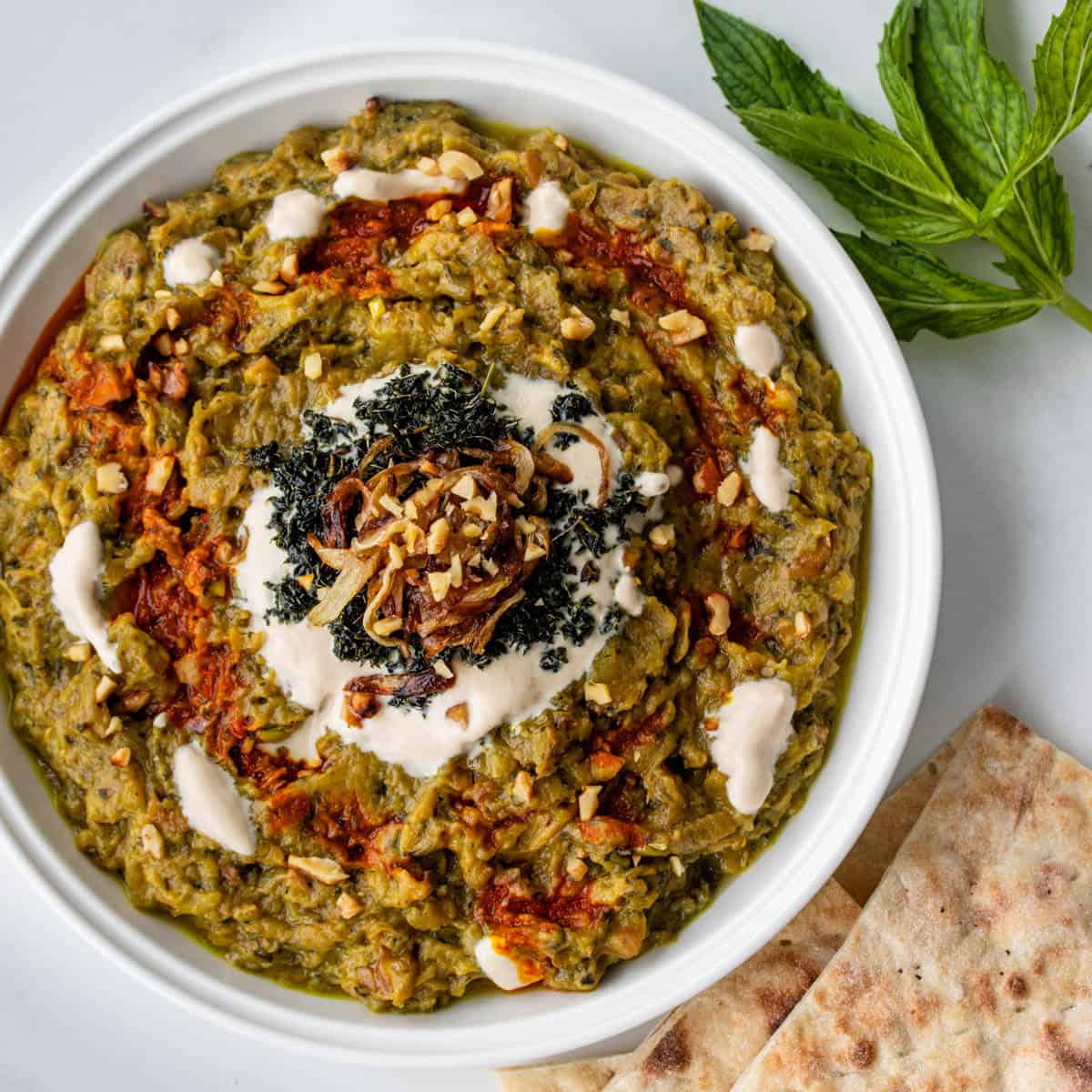
creamy Persian eggplant dip appetizer, is a dish that transcends mere dip status, offering a symphony of textures and flavors that captivate from the first bite. Imagine a rich, smoky eggplant base, intertwined with the unique tang of kashk, caramelized onions, and the crisp burst of fried mint. This traditional Persian delight is not just an appetizer; it's an experience, a harmonious blend of ingredients creating a taste so profound, many consider it the most amazing dip in the entire culinary universe. Perfect for sharing with warm flatbread, this vegetarian gem is a testament to the sophisticated simplicity of Persian cuisine.
What Exactly is Kashke Bademjan? Understanding the Name and Its Core Ingredients
The name
Kashke Bademjan itself offers the first clue to its identity, translating directly to “kashk and eggplant.” But what do these terms truly mean, and why are they so crucial to mastering this authentic
Persian eggplant dip?
Let's break it down:
*
Bademjan: The Star Eggplant
In Farsi, “bademjan” simply means eggplant. This versatile vegetable forms the creamy, luscious base of the dip. Unlike some other eggplant preparations, Kashke Bademjan often calls for the eggplant to be roasted or pan-fried until deeply colored and incredibly soft, allowing its natural sweetness and a subtle smoky char to develop. Varieties like Japanese or slipper eggplants are frequently favored for their tender texture and fewer seeds, contributing to a smoother final product.
*
Kashk: The Soul of Authenticity
“Kashk” is the defining ingredient that elevates this dish from a simple eggplant dip to the iconic
Kashke Bademjan. It's a unique Middle Eastern dairy product made from drained yogurt whey or sour milk, often sun-dried and then reconstituted, or sold in a wetter, paste-like form. Its flavor profile is tangy, slightly salty, and incredibly rich, providing a distinctive counterpoint to the sweetness of the caramelized eggplant and onions. Without kashk, while you might have a delicious eggplant dip, you wouldn't truly have
Kashke Bademjan.
Finding kashk might seem daunting at first, but it's readily available. You can typically purchase it at local Persian or Middle Eastern markets. Many online retailers, including major platforms like Amazon, also offer it. If you procure dried kashk, rehydrating it is straightforward: simply add a small amount of warm water and mix until smooth, much like preparing tahini. While some recipes suggest substitutions like thick natural yogurt, for an truly authentic taste and texture, sourcing genuine kashk is highly recommended. It provides that inimitable creamy goodness and harmonious unison of flavors that define this extraordinary dip.
The Symphony of Flavors: Key Components of an Authentic Kashke Bademjan
The magic of
Kashke Bademjan Persian eggplant dip lies in the careful layering and harmonious blending of its core ingredients. It's a dish where each component plays a vital role in creating its renowned creamy texture and deeply satisfying flavor.
*
Perfecting the Eggplant: Roasting for Depth
The journey to an exquisite Kashke Bademjan begins with the eggplant. While pan-frying is an option, roasting them until they are incredibly tender and caramelized often yields a deeper, smoky flavor with less oil absorption. Halving the eggplants lengthwise and scoring the cut side with a cross-hatch pattern helps them cook more evenly and absorb flavors better. A generous drizzle of extra virgin olive oil and a sprinkle of salt before roasting are essential for developing that desirable golden-brown exterior and soft interior. Once cooked, the eggplant is typically transferred to a pan and gently pressed and mashed, often with a little water, to break it down into a smooth, creamy consistency. This patient process ensures the eggplant is not just cooked, but truly *melt-in-your-mouth* soft.
*
Aromatic Foundations: Onions, Garlic, and Turmeric
No Persian dish is complete without a robust aromatic base. Caramelized onions are fundamental, adding a profound sweetness and depth that balances the tang of the kashk. These are often cooked slowly over low heat until they achieve a beautiful golden hue. Crushed garlic joins the onions, providing its pungent, savory notes, while a pinch of ground turmeric adds a warm, earthy undertone and a lovely golden color to the dip. This aromatic trio forms the rich foundation upon which the other flavors are built.
*
The Defining Tang of Kashk
As highlighted earlier, kashk is what truly sets this dish apart. It's usually incorporated towards the end of the cooking process, allowing its distinctive tangy, savory flavor to meld with the softened eggplant and aromatics without overpowering them. The amount of kashk can be adjusted to personal preference, ensuring the perfect balance of creaminess and piquant notes.
*
The Art of Garnishing: Na’na Dagh and Beyond
One of the most visually stunning and aromatically crucial aspects of Kashke Bademjan is its garnish. Inspired by traditional Iranian soups like Aash Reshteh, these garnishes are not merely decorative but integral to the dish's flavor and texture profile.
- Na'na Dagh (Fried Mint): This is a non-negotiable garnish. Dried mint is briefly fried in a small amount of hot oil, releasing its potent aroma and creating a crispy texture. The resulting "na’na dagh" is sprinkled generously over the dip, offering a refreshing counterpoint to the richness.
- Fried Onions: Thinly sliced onions are fried until golden brown and crispy, providing both sweetness and a delightful crunch.
- Chopped Walnuts: Finely chopped walnuts add a subtle earthiness and another layer of texture.
- Kashk Swirls: Often, extra kashk is drizzled artfully over the top, creating elaborate, beautiful patterns with the other garnishes. This artistic presentation is a hallmark of Persian hospitality and makes the dip even more inviting.
Crafting Your Own Kashke Bademjan: Tips for Success and Serving
Making your own authentic
kashke bademjan Persian eggplant dip is a rewarding experience. While the process involves a few steps, the resulting flavor is well worth the effort. Here are some practical tips to help you achieve perfection:
*
Choose Your Eggplant Wisely: While Japanese or slipper eggplants are ideal for their low seed count and creamy texture, good quality Italian or even globe eggplants can be used. If using globe eggplants, consider salting them before cooking to draw out excess moisture and potential bitterness.
*
Don't Rush the Caramelization: Whether you're roasting the eggplant or sautéing the onions, allow enough time for them to properly caramelize. This slow development of sweetness and depth is key to the dip's rich flavor profile.
*
Achieve Ultimate Creaminess: After cooking, thoroughly mash the eggplant. Some cooks use a potato masher, while others prefer the back of a wooden spoon. The goal is a smooth, luxurious texture, with perhaps just a few small chunks for character. Adding a little water during the final simmering helps break down the fibers completely.
*
Taste and Adjust Kashk: Kashk can vary in intensity. Add it gradually and taste as you go. You want its distinctive tang to complement the eggplant, not overpower it.
*
Embrace the Garnishes: The fried mint (na’na dagh) and crispy fried onions are non-negotiable. They add crucial layers of flavor, aroma, and texture. Don't skip them! Finely chopped walnuts also provide a delightful crunch and richness.
*
Serving Suggestions: Kashke Bademjan is always best served warm, allowing its complex flavors to truly sing. It’s traditionally enjoyed with torn pieces of warm Persian flatbreads like sangak or lavash, perfect for scooping up every delicious morsel. If Persian breads are hard to find, pita crisps or other rustic flatbreads make excellent substitutes. It makes a fantastic appetizer for any gathering, a delightful component of a mezze platter, or even a light lunch when paired with a fresh salad. For a beverage pairing, a glass of off-dry Gewürztraminer has been noted to complement this dip beautifully, balancing its richness and spice.
Why Kashke Bademjan is More Than Just a Dip
Kashke Bademjan is more than just a recipe; it's a culinary legacy. This creamy Persian eggplant dip embodies the spirit of Persian hospitality, often gracing tables at family gatherings, celebrations, and intimate dinners. Its vegetarian nature makes it accessible to a wide audience, ensuring everyone can partake in its deliciousness. It's a dish that evokes warmth, comfort, and the rich tapestry of flavors that define Persian cuisine. Once you taste an authentic Kashke Bademjan, you'll understand why it holds such a special place in the hearts of those who experience it—it’s truly an unforgettable culinary delight.
In conclusion, Kashke Bademjan is a testament to the magic that happens when simple, high-quality ingredients are treated with care and respect. Its unique blend of smoky eggplant, tangy kashk, sweet caramelized onions, and aromatic fried mint creates a taste sensation that is both comforting and exhilarating. We encourage you to seek out this incredible dip or embark on the rewarding journey of making it yourself. Discover the deep flavors and rich traditions behind one of Persian cuisine’s most beloved treasures, and let this master of authentic flavor transform your understanding of what a dip can be.